
James Hardie Siding vs. Vinyl Siding: Which Is Better for the Long Term?
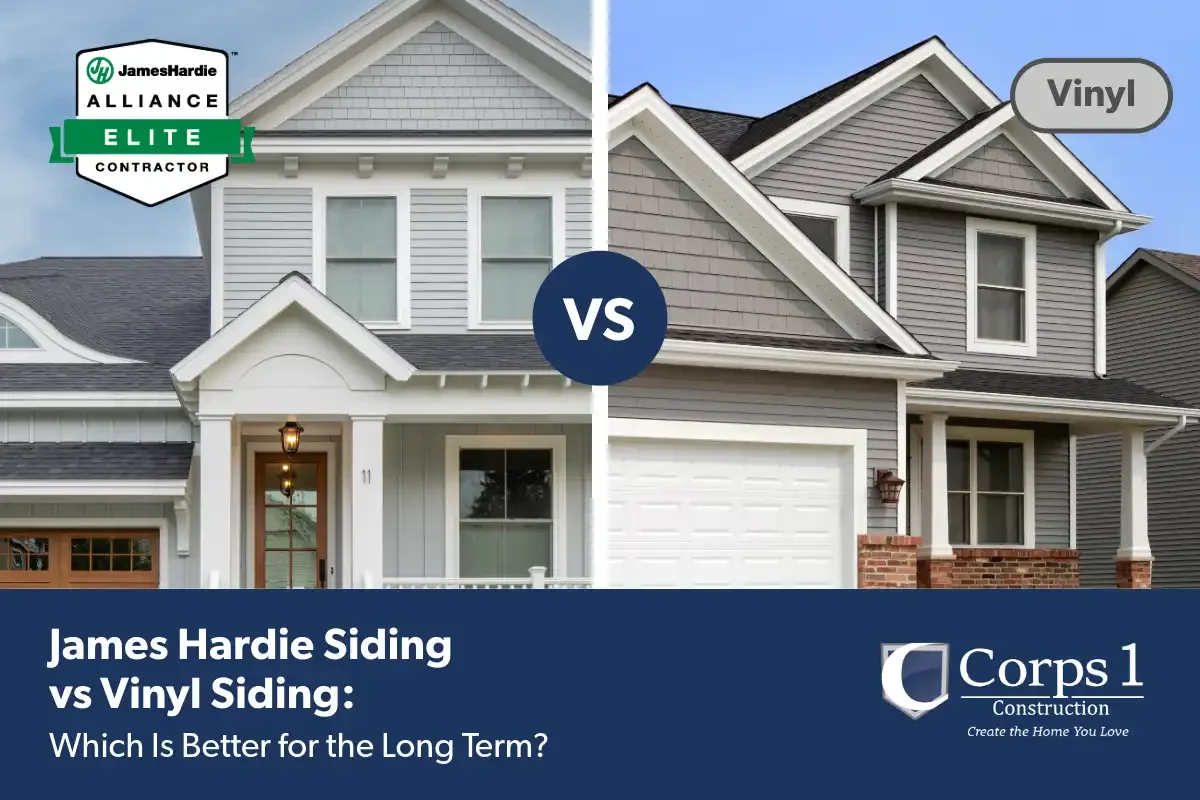
When replacing your home's siding, a common question is, "Should I choose James Hardie siding or vinyl siding?" Both options are popular in Central Ohio and can enhance your home's appearance and protection. When considering siding as a long-term investment, key factors include durability, appearance, maintenance, weather resistance, and overall value. This article compares James Hardie fiber-cement siding and traditional vinyl siding to help you determine the best choice for your home.
What Is James Hardie Siding?
James Hardie siding is a fiber cement product made from cement, sand, and cellulose fibers. It is engineered to withstand harsh weather while offering the look of real wood. James Hardie is a leading premium siding brand in North America and is designed for specific climate zones, including the Midwest.
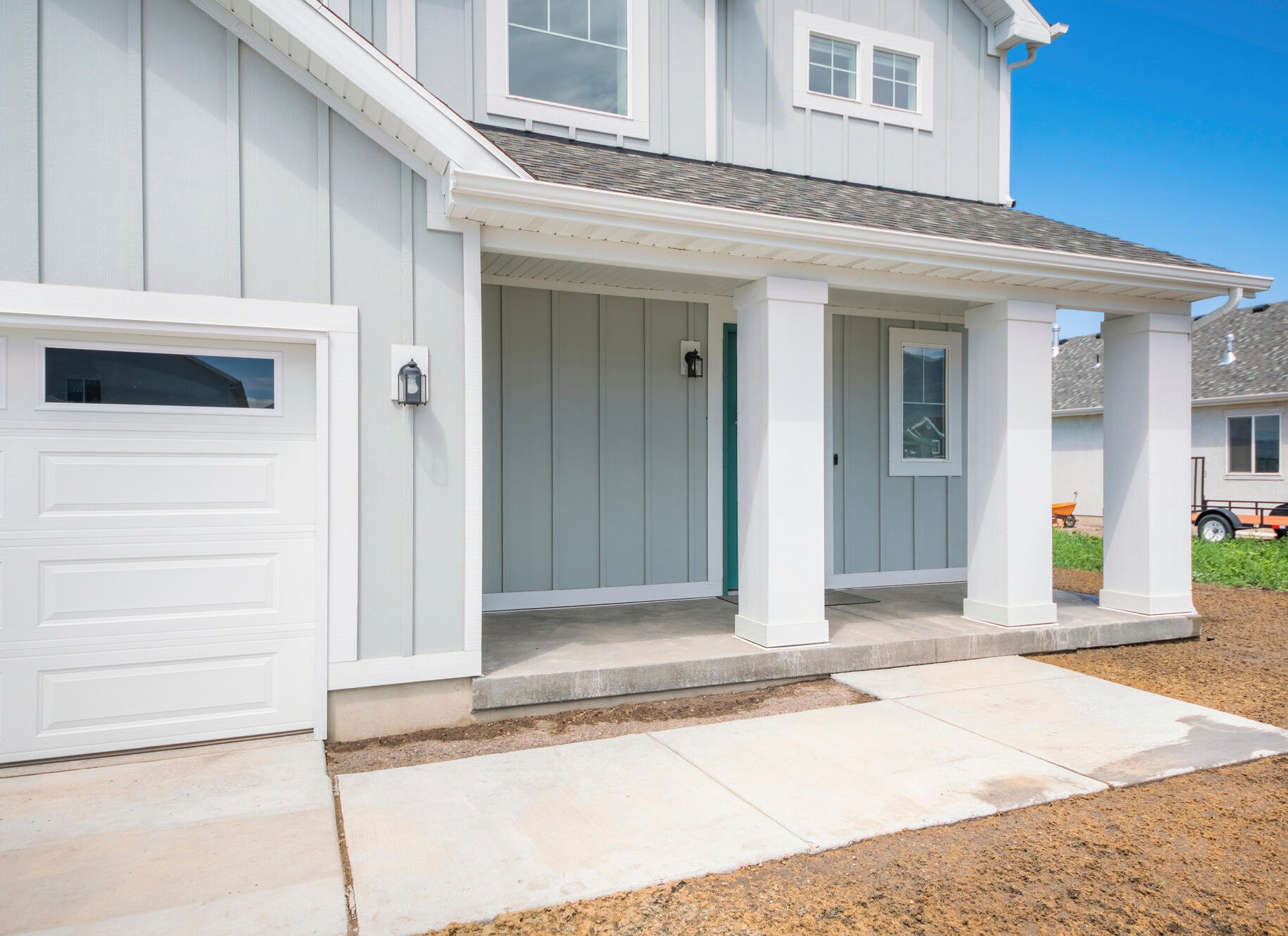
James Hardie Board-n-Batten Siding.
What Is Vinyl Siding?
Vinyl siding is made from PVC (polyvinyl chloride) plastic and has been widely used
as a siding material for decades. It is lightweight, affordable, and available in many colors and styles.
Due to its lower upfront cost, vinyl siding remains a popular choice for homeowners.
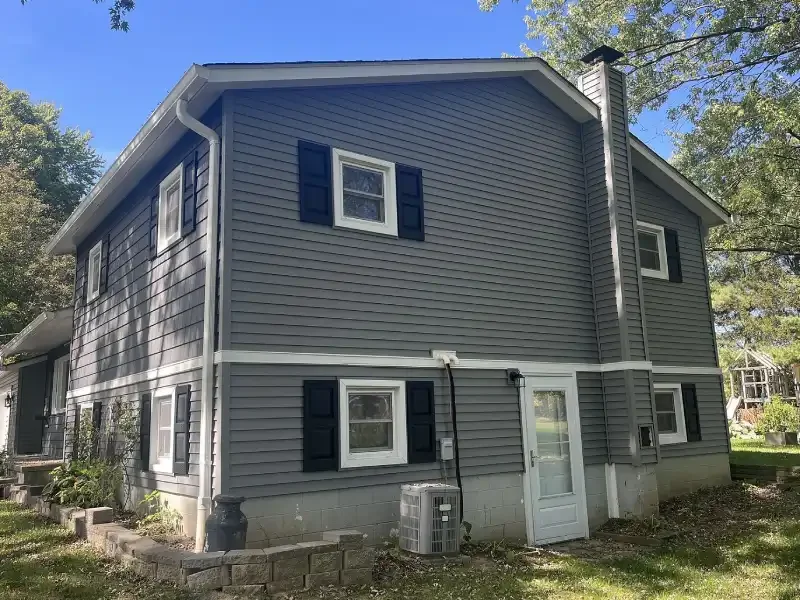
Vinyl siding replaced in a central Ohio home.
Durability: The Long-Term Winner
James Hardie Siding is recognized for its exceptional durability. It resists rot, moisture damage, warping, cracking, temperature extremes, and pests. With proper installation and maintenance, it can last 30 to 50 years or more.
VinylSiding is durable but more prone to cracking in extreme cold and warping in excessive heat,
and can be damaged by hail. Most vinyl siding lasts 20 to 30 years before showing significant wear.
Appearance and Curb Appeal
Appearance is a key reason homeowners choose James Hardie Siding. Its realistic wood-grain finish creates a premium architectural look. With options such as board-and-batten and shake, homeowners can add visual interest by combining styles.
Vinyl Siding quality has improved, but it still differs noticeably from James Hardie Siding. While it mimics wood, the texture is less pronounced and seams are more visible. Despite these differences, vinyl may be preferable for certain budgets.
Weather Resistance in Central Ohio
Ohio homeowners face extreme weather, including snow, ice, high winds, heavy rain, and humid summers.
James Hardie Siding performs well in Ohio’s varied climate because it does not absorb excess moisture, resists expansion and contraction, and remains stable through temperature changes.
Vinyl Siding expands and contracts more with temperature changes. While its flexibility can help during harsh weather, it may also cause waviness or distortion over time.
Maintenance Requirements
James Hardie Siding requires minimal maintenance but is not maintenance-free. Homeowners should expect:
Occasional cleaning
Periodic caulking inspections
Repainting approximately every 15-20 years, depending on exposure
Vinyl Siding requires slightly less maintenance than fiber cement. Homeowners should expect:
Routine washing
Minimal upkeep
No painting
Replacing damaged panels
Fire Resistance
James Hardie Siding is made from fiber cement, is non-combustible, and will not contribute fuel to a fire, while Vinyl Siding can melt when exposed to high heat.
Home Value and Return on Investment
Many homeowners view siding as both protection and an investment in their home's value.
James Hardie Siding is a premium fiber-cement product often favored by homebuyers for its curb appeal, durability, long service life, and high-end appearance.
Vinyl Siding can increase value compared to older or damaged siding, but it is generally considered a
standard-grade exterior product.
Cost Comparison
James Hardie Siding usually requires a higher upfront investment due to material costs and specialized installation. However, many homeowners find that the increased durability, appearance, and longevity justify the cost.
Vinyl Siding has a lower initial installation cost, making it a practical choice for budget-conscious projects, rental properties, or short-term ownership.
Which Siding Is Better Long Term?
If your main goal is the lowest upfront cost and minimal maintenance, vinyl siding can be a
solid option. However, if you are considering siding as a long-term investment, James Hardie siding generally offers superior performance in most categories.
| Category | James Hardie | Vinyl |
|---|---|---|
| Durability | ✓ | |
| Appearance | ✓ | |
| Weather Resistance | ✓ | |
| Maintenance | ✓ | |
| Fire Resistance | ✓ | |
| Cost | ✓ |
For homeowners planning to stay in their home long term, James Hardie siding often provides the best
overall return on investment.
Why Installation Matters

Even the best siding can fail if not installed correctly. Proper flashing, moisture management, trim installation, fastening, and adherence to manufacturer guidelines are critical for long-term performance. Corps 1 Construction is a certified and insured siding installer and a James Hardie Elite Preferred Contractor serving Central Ohio.
Our team specializes in professional siding installation and follows manufacturer-recommended practices to maximize the performance and longevity of your investment.
If you are considering replacing your siding and would like an honest assessment of your options, we would be happy to help you compare products and determine the best solution for your home and budget.
